|
|
|
 |
Theme Parks / Colonial Cities |
|
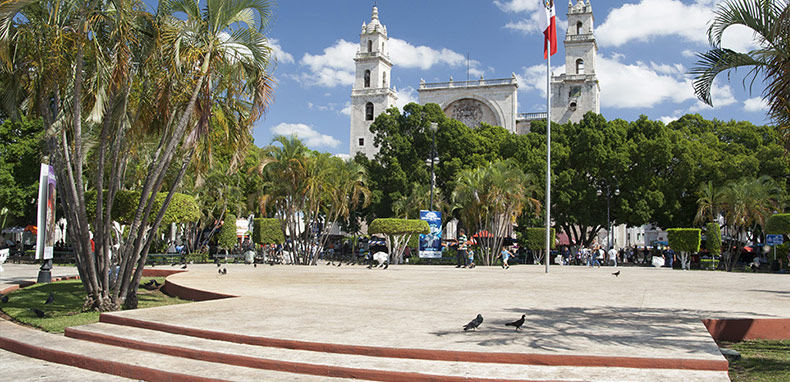
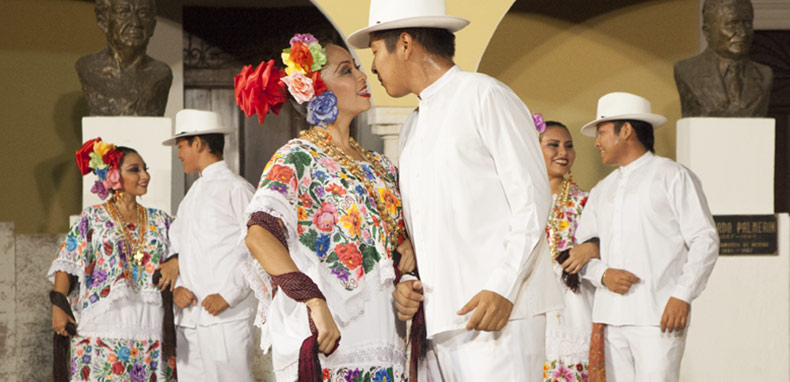
A tour of Yucatan’s most important cities offers an opportunity to admire our colorful and rich past and understand our present as a combination of both modernity and tradition. It also gives one a chance to meet kind and noble people, who are always willing to guide visitors through quiet streets and proudly show their traditions and customs. Visiting Yucatan means going back home with the satisfaction of having found an ideal place and sharing one’s memories of the singular beauty of each place and city. |
| |
 |
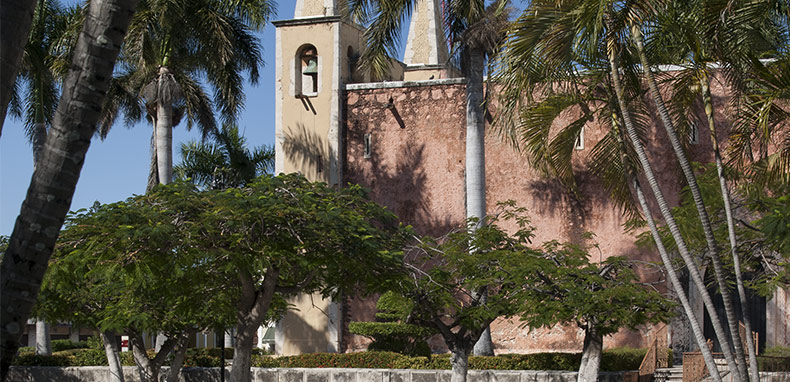
Izamal, the city of three cultures: Maya, Spanish and Mestizo, is simply something else. All the buildings in this small city are painted yellow. This effulgent cloak spreads from the dome of the Franciscan convent that Friar Diego de Landa founded here.
|
The convent was dedicated to the Most Pure Conception of the Blessed Virgin Mary in 1623. This image, locally known as Our Lady of Izamal and Queen of Yucatan, has been the object of profound veneration by Yucatecans for the past 50 years. Several pre-Hispanic structures encircle the city square, giving Izamal the title of “City of Mounds”. |
| |
|
|
| |
 |
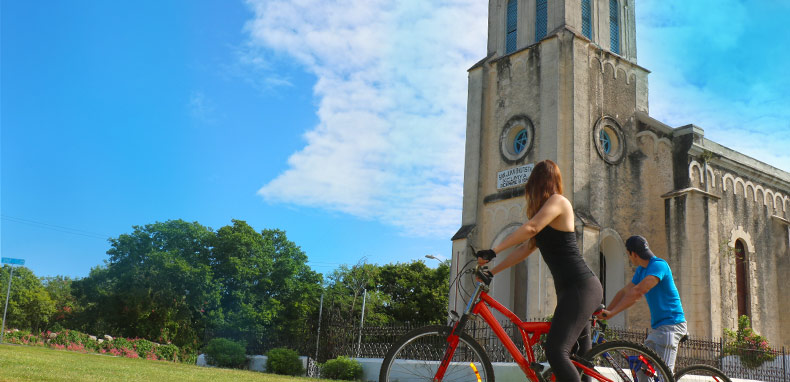
The city of Valladolid is located in eastern Yucatan, near Chichen Itza and about halfway in between Merida and Cancun. This has brought financial prosperity to the area due to the continuous flow of tourists. Owing to the rescue and meticulous restoration of a large number of facades
|
and streets, the Colonial architectural features of Valladolid can be readily identified. These elements can also be found in the main public buildings, such as the convents, the City Hall and the Cathedral. The dynamic nature of Valladolid’s citizens is shared by the inhabitants of neighboring villages. Visit them and get to know some of the most ancient traditions of the Maya people. |
| |
|
|
| |
 |
The villagers of Mani are famous for their warmth and kindness. They relish receiving visitors and delighting them with Yucatecan traditional dishes. Among these dishes is Poc-Chuc: pork meat marinated in sour orange juice and grilled on charcoal.
|
It is served with tomato salsa, pickled red onions, refried black beans and hand-made tortillas. Mani’s restaurants are famous for their exquisite touch when seasoning this and other dishes of our popular cuisine.
Another amazing feature of this village is its peculiar convent, whose monumental architecture is best appreciated inside the building. Particularly salient are the temple’s valuable altarpieces, which contrast with the outstanding sobriety of the walls, staircases and the austere cells occupied by friars during Colonial times.
Social dynamics in Mani revolve around waiting on tourists. Hence, there are several handcraft centers where embroidered garments are sold, and where you will get a glimpse of the sensitivity and kindness of locals. Mani is 40 minutes away from Merida, down the road to the Mayapan archaeological site.
|
|
| |
|
|
|
|